
Compassion and closeness towards the poor.
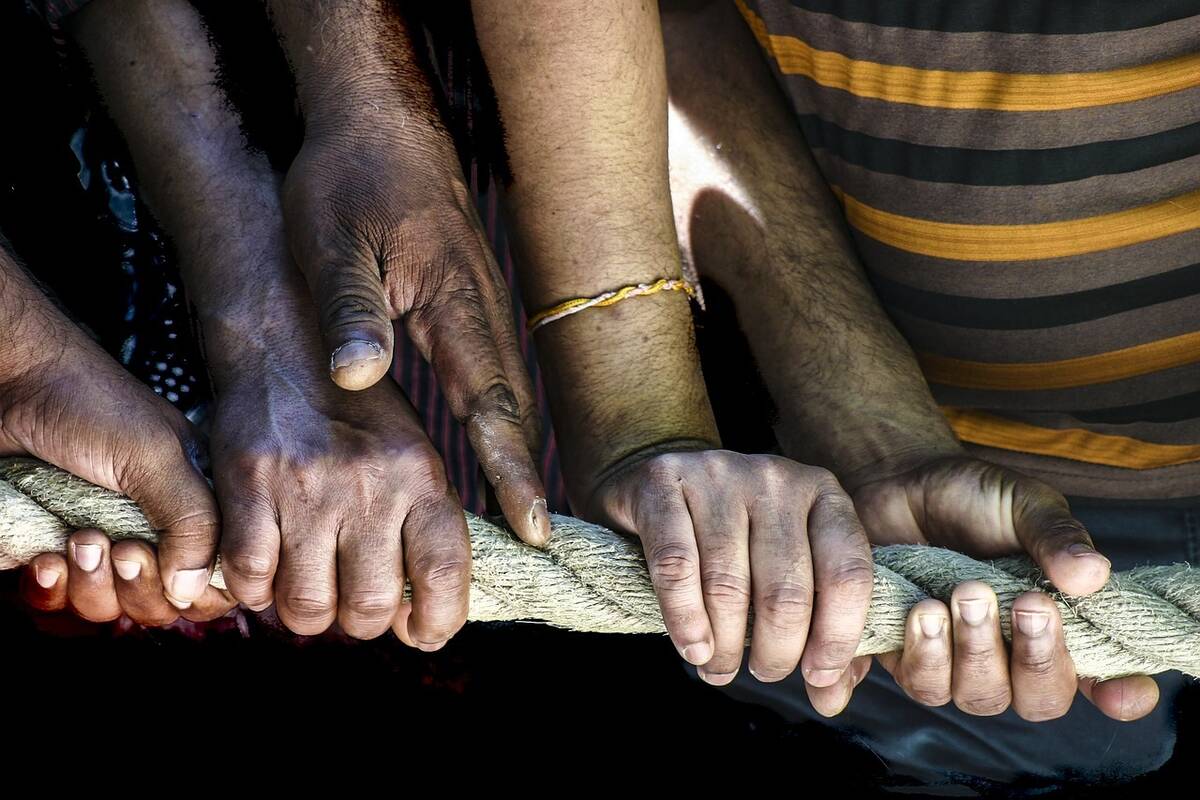
The International Day of Solidarity is an initiative promoted by the United Nations (UN) and has its regulatory framework established in 2005, when the General Assembly proclaimed it as the International Human Solidarity Day. Since then, every year on December 20th, this day is celebrated. According to the UN itself, "global solidarity is essential to achieve all goals. It is also identified in the Millennium Declaration as one of the fundamental values of international relations in the 21st century, where those who suffer or benefit less deserve assistance from those who benefit more." But a question echoes: what is solidarity?
This reflection motivates the quest for the definition of the word "solidarity." We find that there are various definitions, but here we highlight: The word comes from the French "solidarité," which conveys a sense of mutual responsibility. Thus, we define solidarity as the act of compassion towards others. With the UN's proposal to celebrate this international observance, it encourages nations to show compassion towards those who lack resources, meaning that wealthier and more developed nations help those without such resources, thereby embodying this compassion and reciprocity.
However, considering solidarity in the present day requires us to ponder whether people are practicing it—whether they are engaging in this reciprocity, this compassion for their fellow human beings, especially those on the fringes of society. It's worth highlighting that every individual is called to experience this action in their daily lives, meaning in their everyday existence. As we are well aware, we exist in a society unfortunately characterized by rampant capitalism and blatant individualism, which result in the exclusion of numerous individuals from our world.
This reflection contributes to encouraging individuals to contemplate whether they are contributing to those in greatest need through actions that embody solidarity. It emphasizes that people are called upon to demonstrate solidarity with those around them, even within their own homes, churches, social circles, and so on.
Missionary Childhood and Adolescence, which is guided by the principles of prayer, sacrifice, and solidarity. When the founding Bishop, Dom Carlos Forbin Janson, conceived this initiative, he proposed that children in France pray for the children in China, who were living in extremely dire conditions and many of whom weren't even baptized. Consequently, he encouraged these children to offer a daily Hail Mary prayer and a small contribution each month to aid these suffering children. It was from this action that the Holy Childhood (known in Brazil as the Childhood and Adolescence Missionary) emerged, with solidarity at its core. The children and adolescents show concern for those who are more vulnerable. Each year, children and adolescents from around the world who are part of the Childhood and Adolescence Missionary contribute material offerings, the fruit of their sacrifice, to help their peers. In the year 2023, these young individuals are assisting the African continent. The International Secretariat of the Childhood and Adolescence Missionary receives projects from all corners of the globe, and the continent chosen that year to receive these approved projects and their resources benefits from the assistance provided by the International Childhood and Adolescence Missionary, representing the global community.
In addition to this effort, children and adolescents from the Childhood and Adolescence Missionary also undertake other initiatives that contribute to their peers, acting as a tangible sign of solidarity on local, regional, national, and international levels. These actions include initiatives like collecting food items and campaigns to gather financial resources. An example of such action took place in 2018 within the South 1 region of the Brazilian National Conference of Bishops (CNBB), where the Childhood and Adolescence Missionary organized a fundraising campaign to construct three artesian wells in Pemba, Mozambique. This endeavor aimed to aid the most vulnerable individuals who suffer due to resource scarcity.
Therefore, celebrating the International Day of Solidarity is an invitation to reflect on how one can put this action into practice. It urges us to consider that around each individual, within neighborhoods, cities, states, countries, and the world, there are those in need of assistance. Each person bears responsibility for these less fortunate individuals, highlighting the idea that "we are all brothers and sisters," as conveyed in Pope Francis' encyclical "Fratelli tutti." This message is closely connected to the theme of solidarity.